

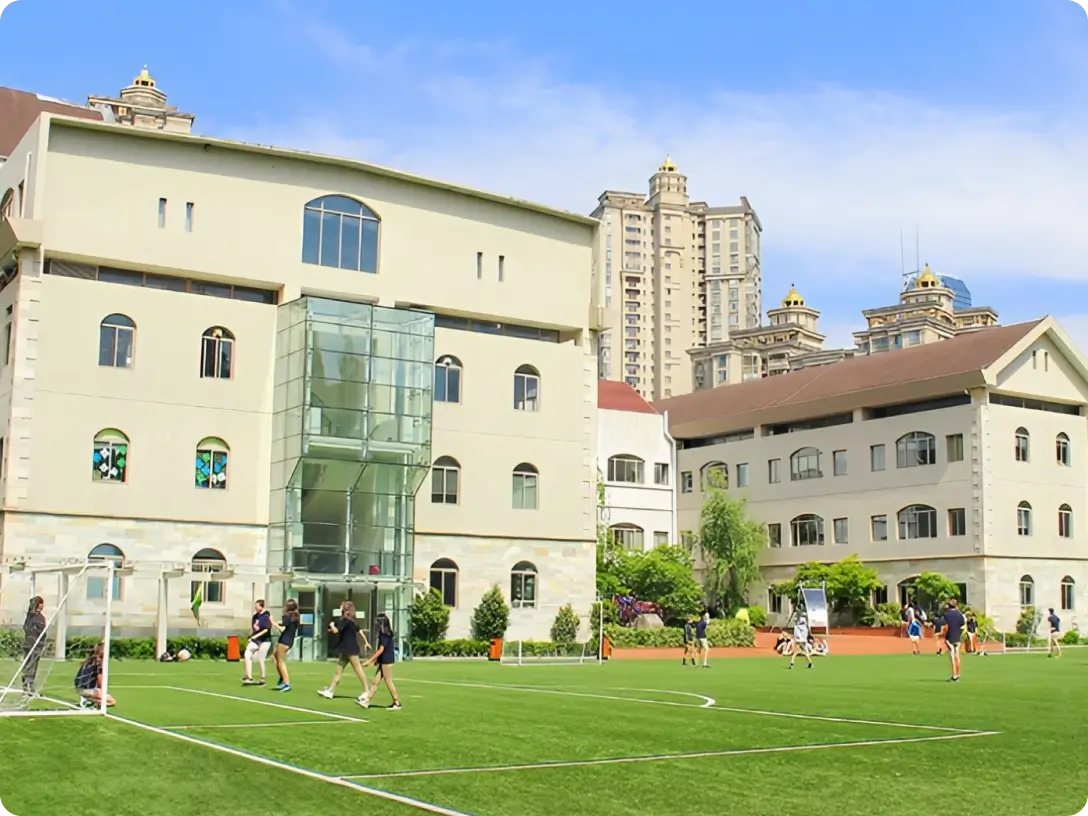
Shanghai Community International School serves over 1,500 students from about 50 nationalities across three campuses in Shanghai. On our Pudong campus, most grade levels have one or two teachers. When a teacher is planning a unit and needs someone to creatively collaborate with, I’m often the default option as the coordinator. There are only so many hours in a week and only one of me.
For years, teachers planned in relative isolation. Documentation was inconsistent. What was happening in classrooms was largely invisible until a report was due; and by then it was too late to do anything about it.
Toddle AI’s report comments raised the standard for documentation
Traditional documentation platforms often function as an administrative buffet. Teachers pile everything onto the plate: unorganized photos, raw evidence, and isolated portfolio entries. The result is a chaotic, overwhelming mass of data that serves no pedagogical purpose when reporting season arrives.
We resolved this bottleneck by transitioning to our gourmet dish, a connected curriculum model, using Toddle as our centralized ecosystem.
Engineering the inputs
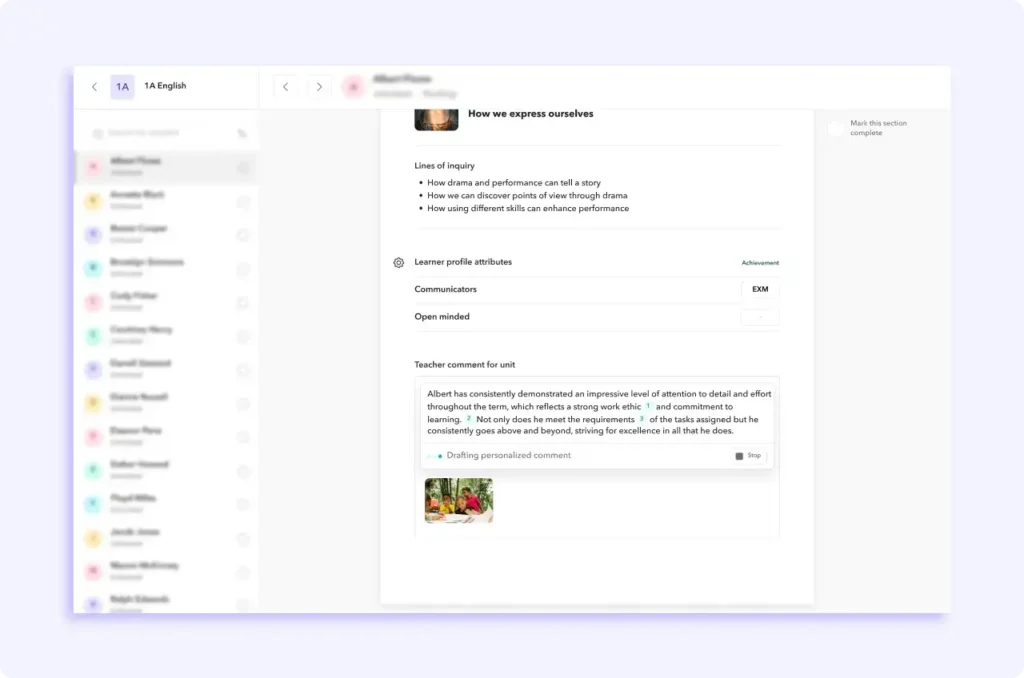
The first time we generated report card comments with Toddle AI, some came back describing an amazing IB learner, but a lot of them sounded exactly the same or incredibly generic. A comment might say a child ‘shows strong inquiry skills’ without referencing a single piece of their actual work or where they were in their learning.
This immediate friction forced a critical realization: AI is only as good as the daily evidence you feed it.
To fix the output, we re-engineered our input architecture:
- Standards tagging: Teachers aligned daily learning experiences directly with subject standards and PYP lines of inquiry.
- Success criteria calibration: We refined success criteria across the beginning, middle, and end of the unit.
- Continuous archiving: Instead of scrambling at the end of the term, teachers logged precise snapshots of learning as they happened.
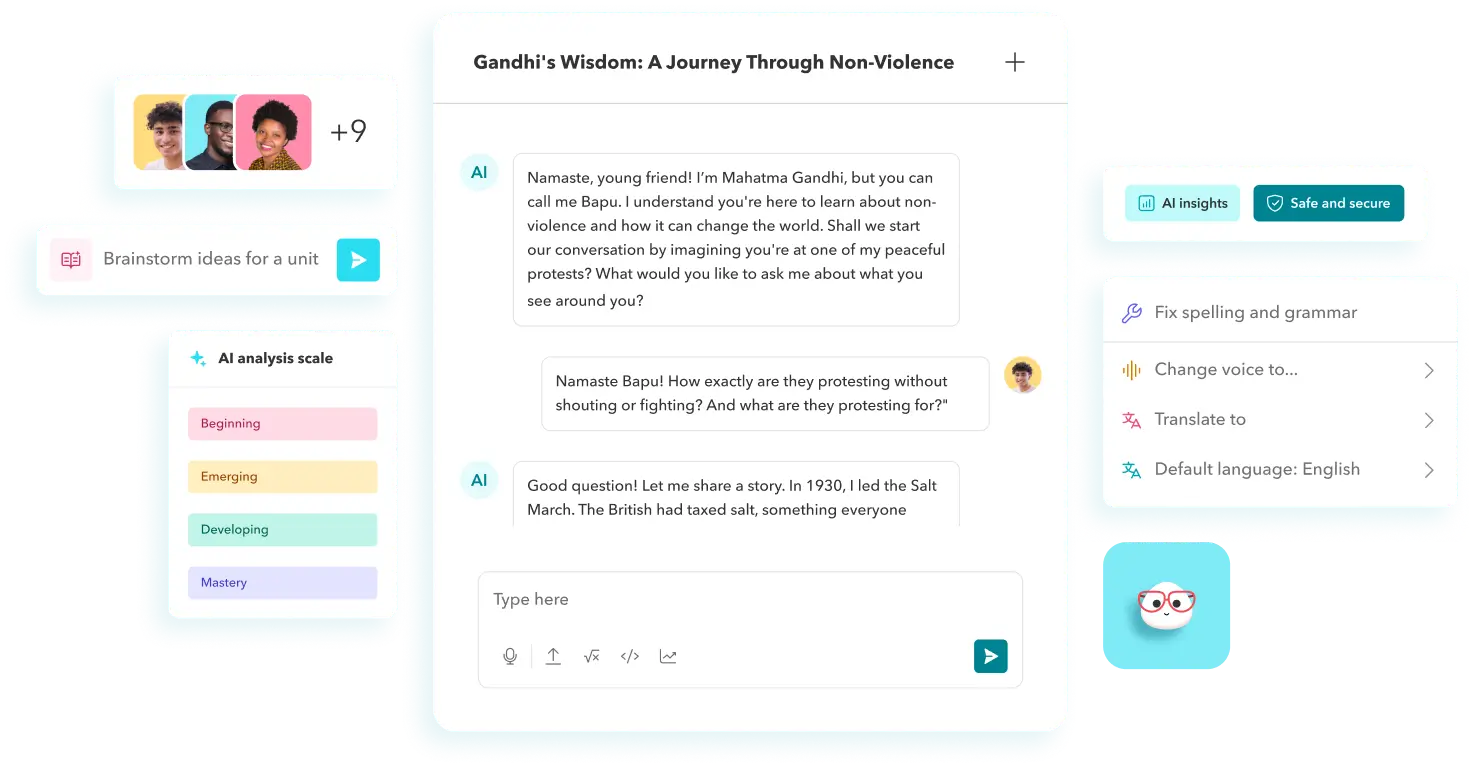
This process transformed Toddle AI from a mere writing assistant into a reflective prompt for pedagogical design. Knowing that the quality of documented evidence directly dictates the quality of the generated feedback forced us to plan with the end in mind.
Report review used to mean hours checking pronouns, misspelled names, comments written for the wrong child. Now, Toddle AI handles that, and I review for authenticity and pedagogical alignment.
Teachers spotted learning gaps mid-unit instead of after the year ended
Reporting on learning is roughly 5 to 7% of what assessment should be. Monitoring and documenting learning as it happens makes up for the rest. For years, our systems only made the 5% visible, so that’s where nearly all our attention went. We created end-of-year reports based on learning that had already taken place.
Before, I may not have known that a concept landed well in one class and not in the other unless a teacher happened to mention it. I may not have known that a student whose written work looked strong was struggling to articulate the same thinking verbally. That gap doesn’t show up in a year-end report. It shows up when the data from daily learning is connected and someone is looking at it. Toddle AI surfaces those patterns.
Families can follow learning week by week through the portfolio rather than waiting for a year-end summary. My planning conversations with teachers have shifted accordingly. We look at what the data is showing throughout the unit and make adjustments along the way.
My conversations with teachers became more purposeful
As a curriculum coordinator, my time is meant to be spent helping teachers improve learning and teaching in their classrooms. But for years, much of my work happened after the fact. I reviewed reports, followed up on missing documentation, and tried to piece together what was happening across grade levels from scattered snapshots of learning.
By the time information reached me, a unit was often over and the opportunity to support teachers in the moment had already passed. That changed when Toddle brought documentation, assessment, and reporting together in one place.
Now, I see patterns in learning as they emerge. I can identify where students are thriving, where misconceptions are forming, where teachers may need additional support. Instead of spending meetings reconstructing what happened, we can focus on what comes next.
When I think about what Toddle AI gave back, it’s the hours I used to spend on report mechanics and chasing documentation. The reason I became a curriculum coordinator was to support teachers and the learning and teaching in classrooms; not paperwork. Those hours are now directed back to the classrooms, back with the teachers.