

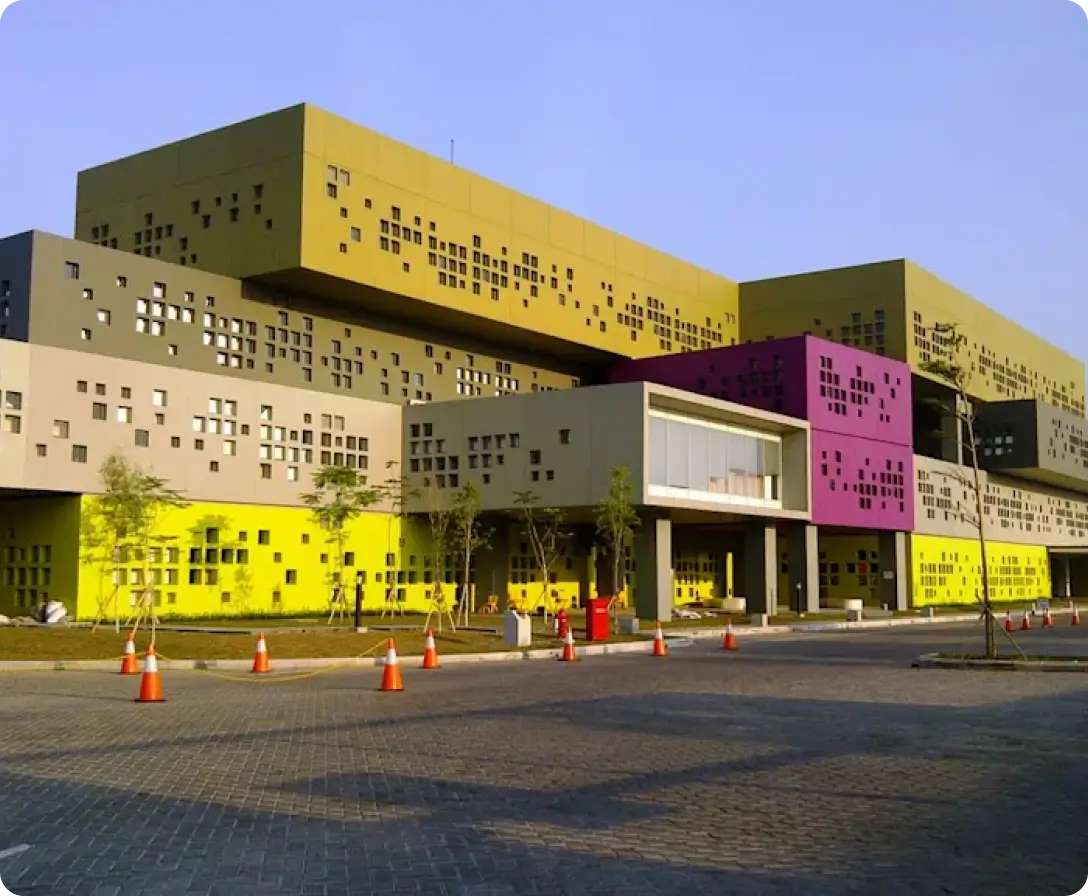

At BINUS SCHOOL Serpong in Indonesia, we teach over 2,000 students across a diverse international school community. As we work towards becoming an IB continuum school, our middle school is adopting the IB framework while retaining Cambridge academic standards.
Our reporting needed to evolve with our approach to learning. Alongside academic progress, we wanted families to see the qualities their children were developing as learners. But the report card we sent home hadn’t changed in 10 years.
What went home each term was a patchwork of percentages and letter grades. The comments often did little to explain them. I still remember reading one Cambridge report: “He strived hard, good effort, it would be better if he were more active in class discussion.” It gave the family little sense of what their child had learned that term or where they needed support.
Our reports needed to show families how well we knew their child
I share a simple metaphor with our staff. Imagine going for a full medical checkup with blood work and scans, only for the doctor to tell you, “Your health is a B-minus.” Your first question would be, “A B-minus in what?” A single grade works the exact same way, providing a quick shortcut but hiding meaningful insight.
Parents are not in the classroom each day. Much of what they understand about their child’s learning comes from the conversations, documentation and reports we share with them. That makes a report card far more than an administrative requirement: it is one of the clearest ways we can show families how well we know their child.
Showing parents the learning behind the grade
Fixing our report card required more than a new design. We wanted a parent to open it and see the same child we saw in the classroom.
That meant bringing together what had previously been fragmented. Cambridge standards show where a middle school student is progressing academically, while the IB learner profile attributes capture the qualities we want to nurture across our school community. Units, assessment evidence, teacher feedback and student reflection add the context behind that progress.
Toddle brings all of this into one place, using the learning and assessment evidence teachers capture throughout the term. It also gives our five schools a consistent approach to reporting without reducing every student to the same template.
The grade is still there. But now a family can see what sits behind it: what their child has learned, where they are progressing, what their teachers have noticed and how the student sees their own growth.
Personalised comments without starting from an empty page
The biggest operational hurdle with personalised reporting is volume. A middle-school teacher can easily teach 200 students each term – making custom commentary a massive demand on their time. Facing an empty text box 200 times during report week leads to exhausted teachers and generic comments.
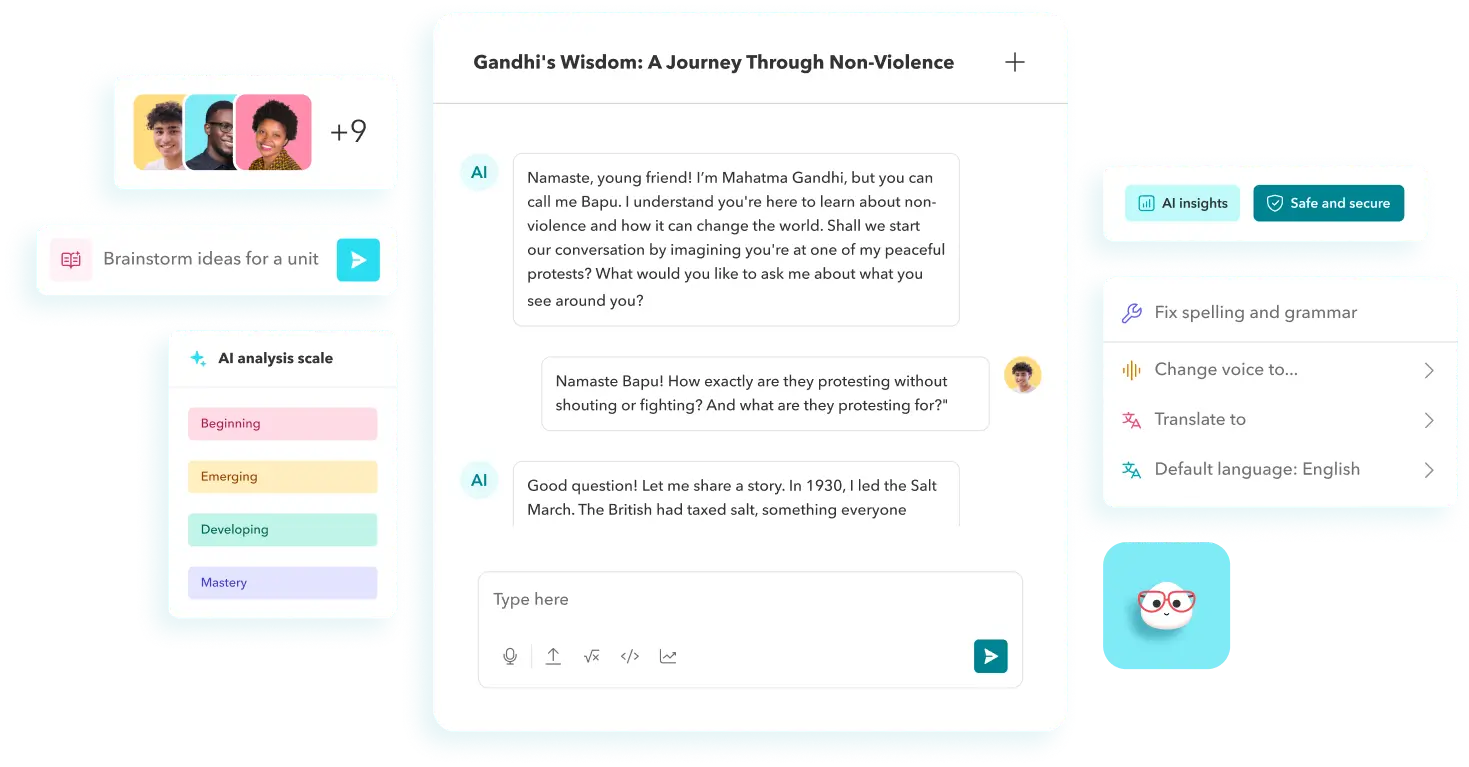
Toddle AI helps solve this by reading assessment evidence logged across the term and proposing an initial draft. That’s the first step. Teachers control what comes next: they edit it and make sure it sounds like their authentic voice. AI helps with synthesizing data, but it does not know the child in front of us. The professional judgment and care always remain with the teacher.
Here is a simple exercise I encourage you to try. Pick up your school’s report card and read it as if you were a parent seeing it for the very first time. Does the page reflect the caring, thoughtful community you describe to families, or does it tell a completely different story?