

Enko Education is the biggest network of IB international schools across Africa. Together, our schools serve 10,300 students, supported by more than 1,400 staff. We offer 4 programmes, including the IB, national curricula, the Cambridge (IGCSE) and the french curriculum.
Our campuses span French, English, and Portuguese speaking countries and follow two different academic calendars. Each school responds to its own community and context, which is an important part of who we are. But as our network grew, we needed to find a way to preserve that local strength while building greater consistency across the group.
When I joined Enko Education as Data Analyst and Tech Lead, one of the first things I saw was just how fragmented our academic systems had become. Some campuses used learning management systems such as Canvas, others relied on local tools, and some processes were still analogue. Student information sat across spreadsheets and notebooks. Curriculum knowledge often stayed with individual teachers.
We shared an educational vision, but we did not yet have the systems to see how that vision was taking shape across our schools.
Toddle has helped us change that. In one sentence, it has brought our network together.
Building for scale without losing local context
Enko introduced Toddle in 2023 as our central platform for teaching and learning. The decision came from a clear need: as our network continued to grow, we needed a strong academic foundation that could grow with us.
The goal was never to make all 15 campuses identical. It was to create a shared system that could support different curricula, languages, and local needs while giving us greater coherence as a group.
For us, that balance is essential. Our approach needs to be central enough to create common standards, but flexible enough for each school to put them into practice within its own context.
Getting there involved much more than introducing a new platform. We first had to understand how each campus worked, define shared ways of working, align terminology across regions, and bring the right data into one place. Data hygiene was a significant part of the process because our schools began with different systems and different levels of digital maturity.
Standardisation was one of the hardest parts of the transition. Local needs had to be translated into structures that could work across the network, without losing what mattered to each school.
The Toddle team supported us throughout this process. They provided data import templates, helped us streamline terminology, and worked with us to set up academic environments that reflected the needs of our campuses.
Starting with the processes every school depended on
Introducing one platform across multiple countries, languages, curricula, and academic calendars was a major undertaking. We needed to create consistency without disrupting the academic cycle, so the rollout focused first on the processes our schools depended on most.
Report cards were our starting point. They were an immediate priority for families and school leaders, and a practical way to begin building greater consistency across the network.
Previously, every campus followed its own reporting format, timeline, and expectations. Today, all our campuses create reports through Toddle. Families receive a more consistent experience across Enko, while our leaders have a clearer view of reporting quality and completion across the group.
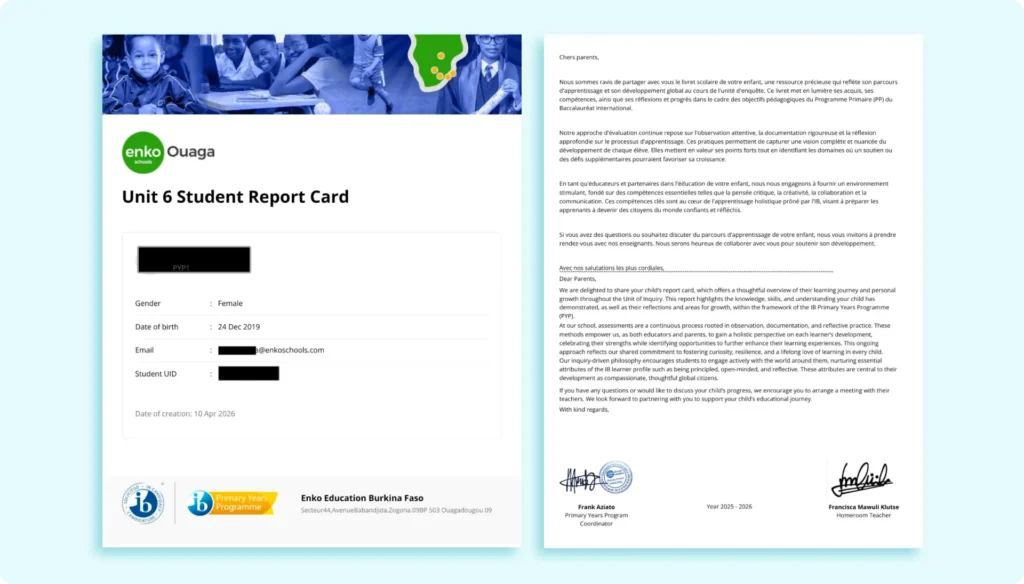
This involved more than moving an existing process online. We first had to align the language, structures, and reporting practices used across our schools. Toddle supported us with data import templates and helped us bring records from several systems into one place.
Once reporting was established, we expanded our use of Toddle to planning and other academic processes. Teachers now plan within a shared environment where their work can be seen by coordinators and heads of school. Attendance is recorded digitally, and timetabling is managed through Toddle.
Instead of 15 campuses running separate versions of the same core processes, we now have one connected academic system across our network.
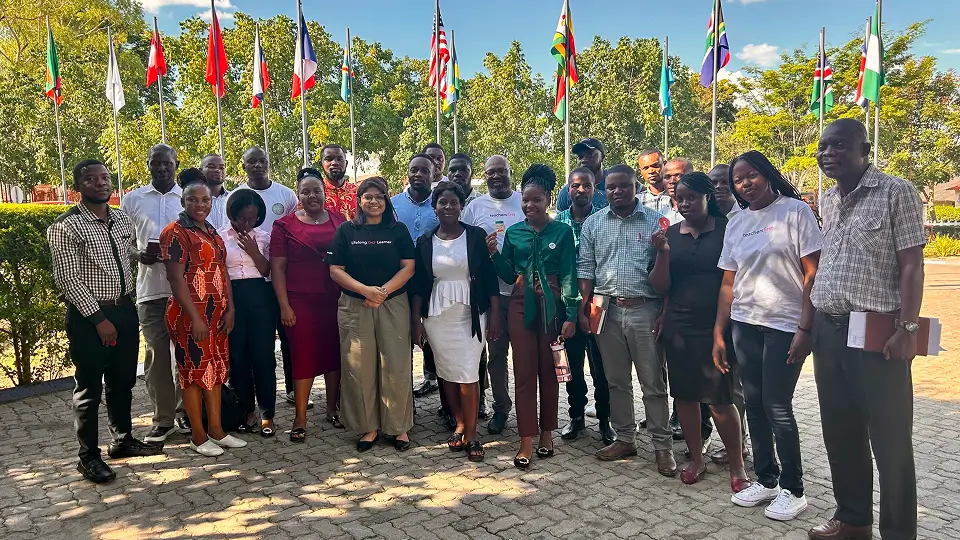
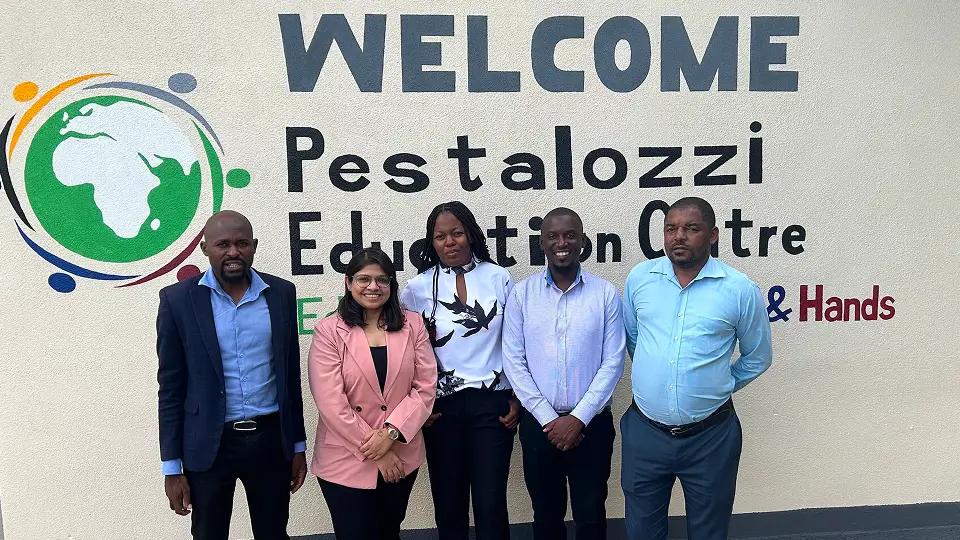
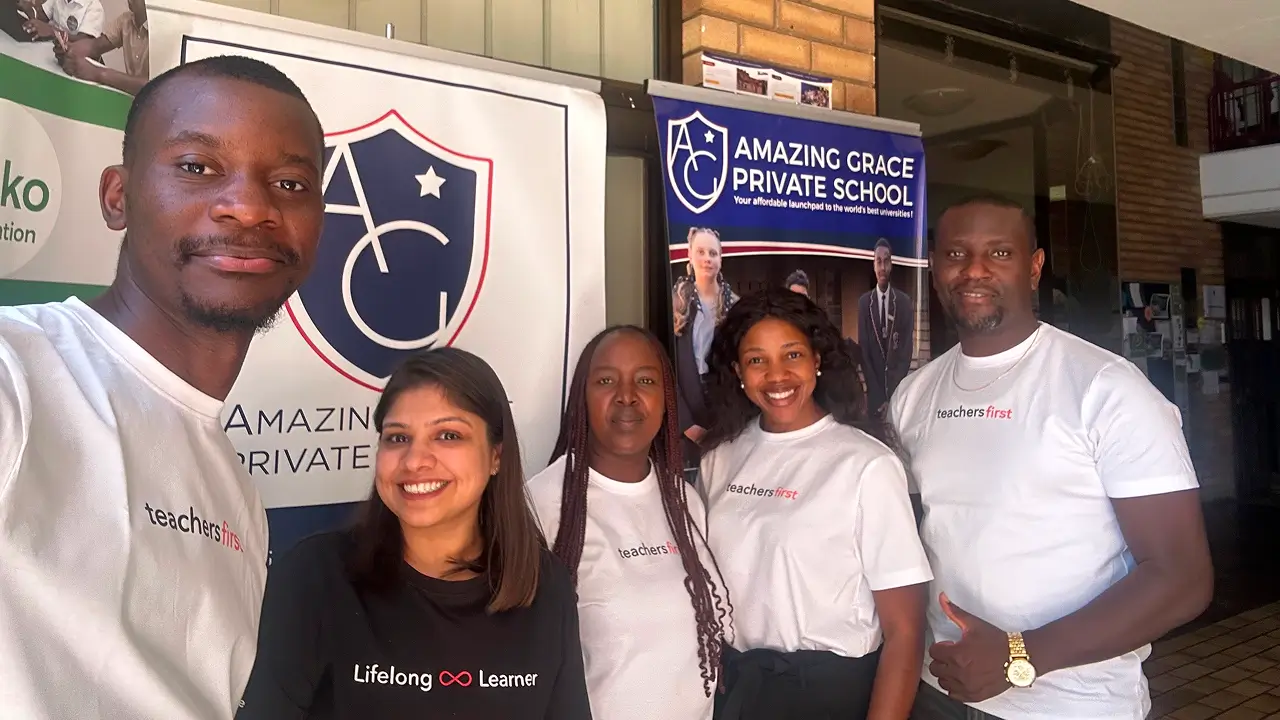
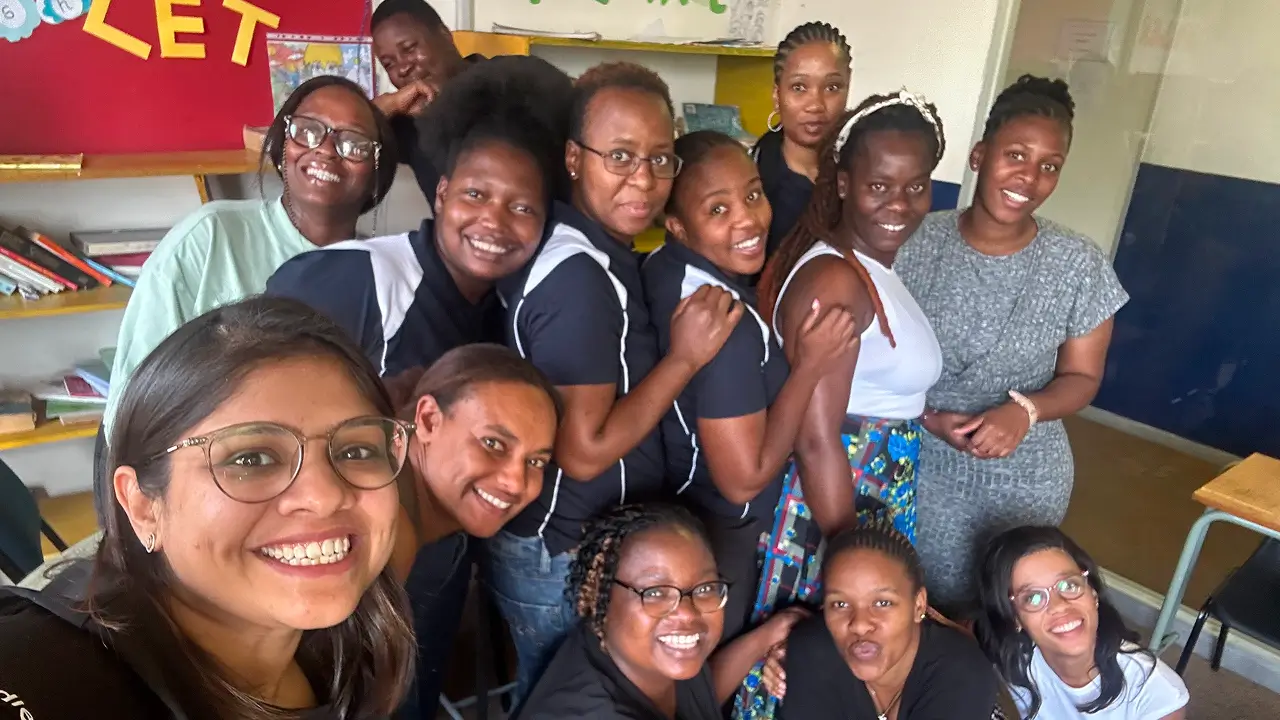
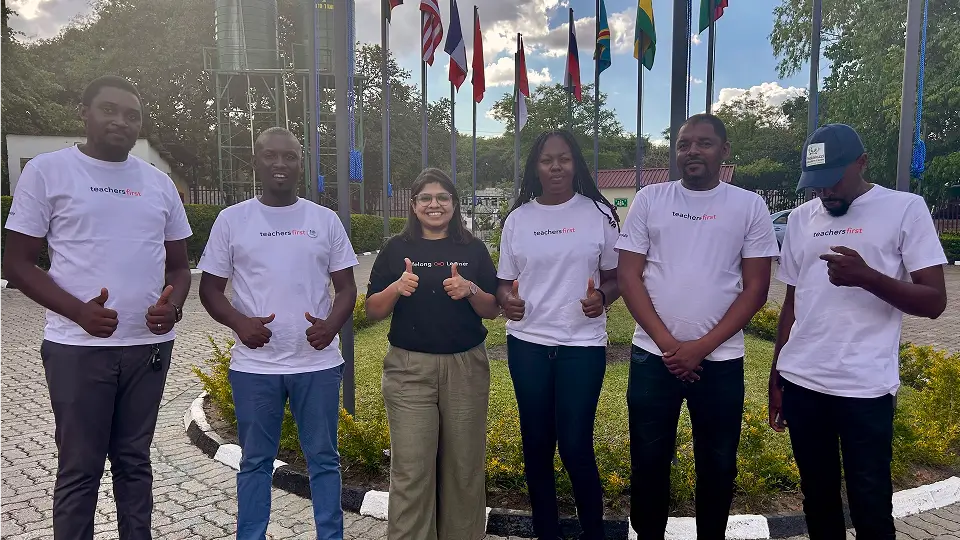
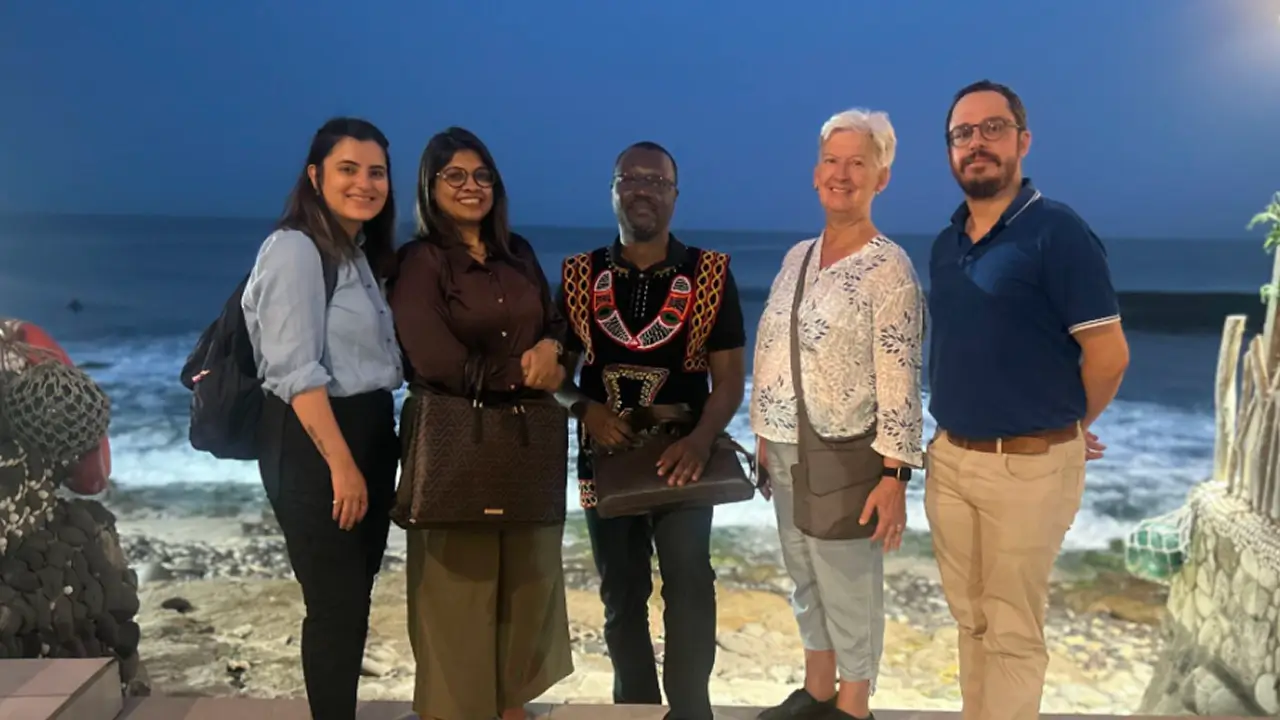
The initial rollout was supported through “a train the trainer” model. Members of the Toddle team travelled to Senegal, Zambia and South Africa to work with our education technology leads. Those leads then trained champions and users across their campuses, allowing us to build internal expertise while adapting the training to different school contexts.
Moving from retrospective reports to live academic visibility
For me, the most important change is not simply that information now sits in one place. It is that we can use it while there is still time to act.
In the past, much of our academic analysis happened after a term or academic year had ended. We could understand what had happened, but the opportunity to respond may already have passed.
Toddle gives our schools a clearer view of planning, attendance, reporting, and academic progress as the year unfolds. This has been particularly valuable for our IB schools, where live results can help us identify academic gaps earlier and offer support when it can still make a difference.
We are moving away from post mortems that are rarely useful and towards information we can act on as issues arise. This visibility also changes what is possible at the group level. We can see where our schools are aligned, where additional support may be needed, and where particularly strong practice is emerging.
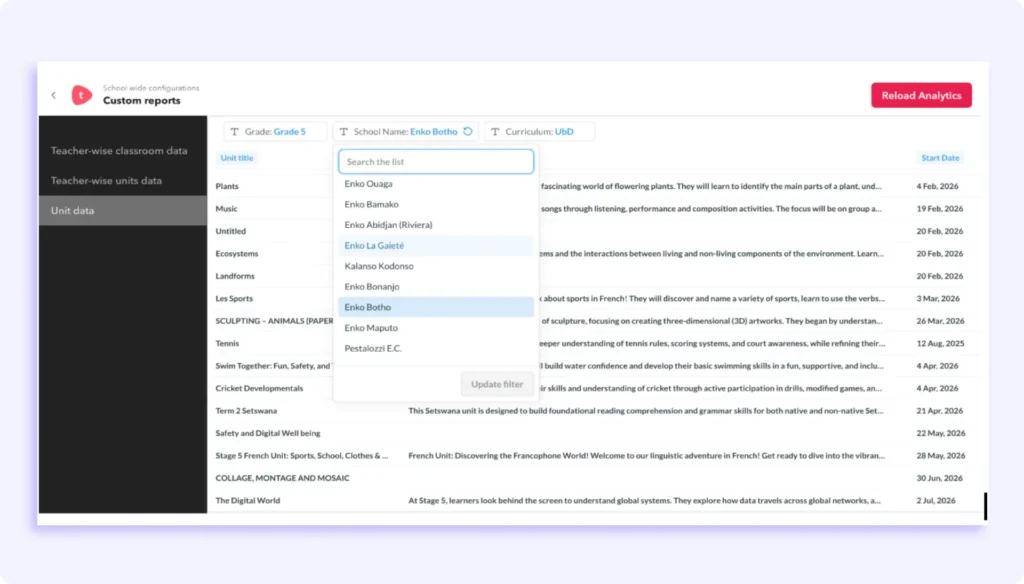
If one class or campus is performing well, we can look more closely at what is working and consider how those lessons could support the rest of the network. Data is no longer only a record of past performance. It is becoming a way for our schools to learn from one another.
Building a stronger teaching community across campuses
Before Toddle, valuable curriculum knowledge often remained within one classroom or campus. A teacher could develop a strong unit or approach, but colleagues teaching the same programme elsewhere in the network might never know it existed.
Planning within a shared environment is beginning to change that. Coordinators and heads of school can see the work taking shape within their campuses. Across the network, academic teams can identify existing resources, share effective approaches, and build on one another’s thinking.
We are seeing a growing sense of community among our academic teams. The platform gives us the infrastructure for collaboration, but the larger change is cultural. Our schools can increasingly see themselves as contributors to a shared body of knowledge, not simply as individual campuses doing good work in isolation.
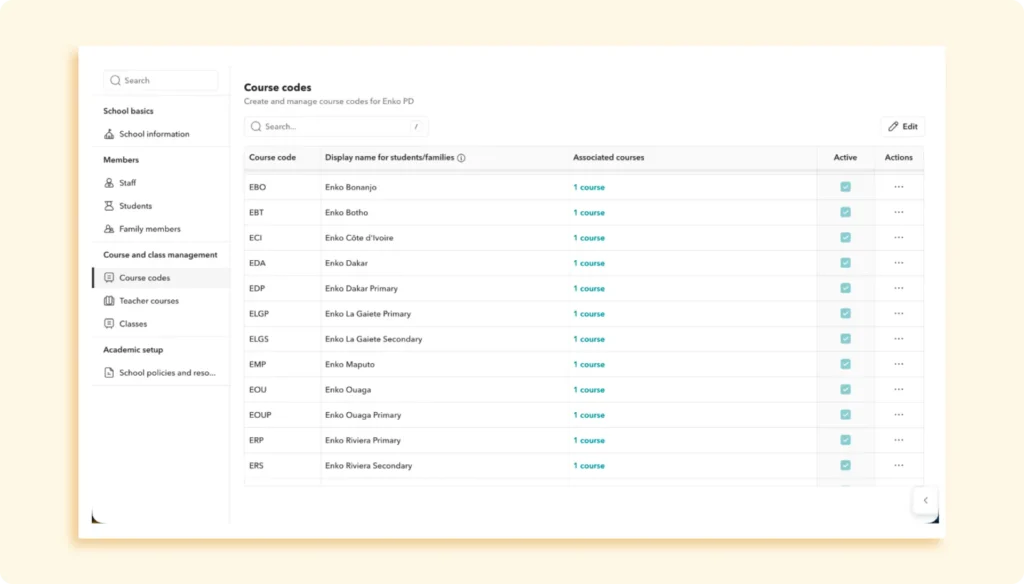
We are now building a professional learning environment within Toddle, with support from the Toddle team. This will give staff across our campuses access to shared training and resources through the same platform they use for their everyday academic work.
Giving families a closer view of learning
Toddle has also created a more connected experience for our families. Parents can follow different parts of their child’s learning journey, see classroom updates, and receive relevant information when they need it.
I often say that parents almost have a seat in the classroom. They have a clearer view of what their child is learning and can take a more active role in that journey. For families choosing an international school, that visibility can offer real reassurance.
Language is central to making this experience accessible. We operate across French, English, and Portuguese speaking countries, with a significant number of our schools in Francophone Africa. Being able to use the platform in a familiar language helps educators and families engage with greater confidence.
For a network spread across different linguistic and cultural contexts, this shared but multilingual experience helps us create consistency without asking families to leave their language behind.
The partnership matters as much as the platform
Bringing a growing school group onto one academic platform involves far more than configuring software. Every campus begins with its own systems, data quality, confidence levels, and ways of working. New questions continue to emerge long after the initial rollout.
That is why I believe the relationship with a provider matters as much as the product itself.
I particularly value being able to ask questions and receive answers almost instantly. Sometimes a capability already exists and we need help finding the right way to use it. At other times, we need the team to understand a requirement that comes from the complexity of our network. In both cases, having a responsive partner makes a significant difference.
Throughout our implementation, the Toddle team has supported us with data templates, technical assistance, onboarding, and in person training. They have continued to work with us as we deepen adoption and bring more of our academic work into the platform.
For a network that intends to keep growing, scalability is not only about technology. We need a partner that can continue to support more learners, new campuses, and a wider geographic footprint over time.
A stronger foundation for growth
Before Toddle, our campuses were united by a shared mission, but our academic systems remained fragmented. Today, more than 15 campuses across eight countries have a common foundation for planning, reporting, attendance, timetabling, and collaboration.
Our leaders can see more of what is happening across the group. Our teachers can build on the knowledge of colleagues beyond their own campus. Our families have a clearer window into learning. And as we grow, every new school can join a network with shared structures already in place.
For a group of our scale and diversity, that foundation changes what growth can look like. Expansion no longer has to mean greater fragmentation. Each campus can retain its local character while drawing on the visibility, knowledge, and strength of the network around it.
We are no longer a group of schools moving in the same direction through separate systems. We are one learning network, built to grow together.